
Need to check your symptoms?
Use our symptom checker to help determine what your symptoms are and to ensure you get the help you need.
Check your symptoms
Need to check your symptoms?
Use our symptom checker to help determine what your symptoms are and to ensure you get the help you need.
Check your symptomsWelcome to our New and Improved website. Serving You Better!
Shocking Facts – Does Being Slim Always Mean Healthy?
February 15, 2020

All around us, being slim and healthy is the goal we are constantly encouraged to reach for. But while health is the essential goal, some people assume that being on the slim side indicates a perfect state of health.
We asked Fisayomi Aturamu to explore if being slim always means healthy – she turned up some shocking facts!!
Nowadays, people are becoming more conscious of their body image.
Products are accompanied by pictures of people assumed to be desirable or sexy to promote such products.
Society and social media promote the idea that a slim body is a perfect body.
However, does being slim always mean healthy? The answer is NO! Read on to know why!
It is possible to be slim and look healthy on the outside but still have the same health challenges as an overweight or obese individual. How so?; you may ask.
Well, this is because a slim person could still be physically inactive and engage in social vices such as drinking and smoking that may put them at risk of certain disease conditions that obesity may predispose them to as well.
A lot of people assume if they’re able to stay slim because they eat poorly and do not exercise, then they are fine.
This is not right because you might still have some health concerns whether they are genetic or similar to those that an overweight person could have.
For example, when looking at conditions associated with cardiovascular(heart) diseases, we consider health parameters such as smoking, cholesterol, high blood pressure, and body weight as very significant.
However, a bad diet and an inactive lifestyle also increase the risk of heart disease.

So, it means even if you do not smoke and have a normal body weight, you may still be at risk for certain disease conditions e.g. Type 1 Diabetes Mellitus which typically occurs in patients with a normal BMI.
Now, you can have a normal BMI and still have high body fat – that’s a fact.
A normal BMI doesn’t equate to a normal body fat percentage.
There is a condition referred to as ‘skinny fat’ or normal weight obesity (NWO).
This means that you could have a normal BMI but a high visceral fat (when you have a lot of fat surrounding your abdominal/ tummy organs).
Therefore, these individuals are ‘metabolically’ obese yet within a normal weight range for their height, hence, the reason for the ‘normal’ BMI.
Well, this is something you should be aware of if you are slim and believe you are healthy.
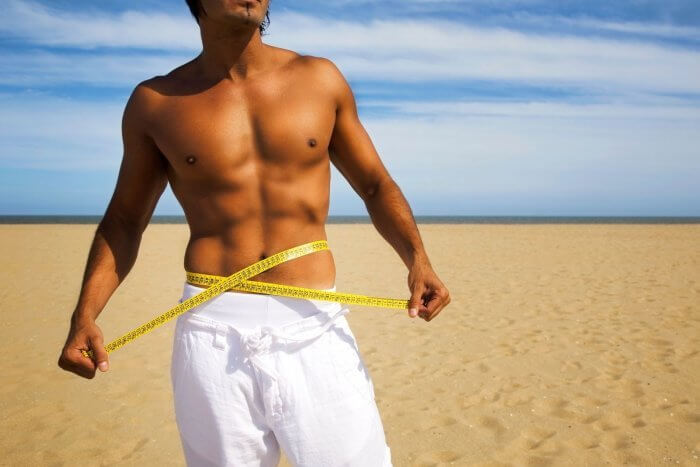
That is, instead of fixating on the numbers on the scale, you may need to get a measuring tape to measure your waist circumference, as this could help you have an estimate of the amount of fat surrounding your internal organs.
To do this, wrap the measuring tape around your naked waist just above your belly button and note the reading.
If it’s greater than 35 inches in a woman, or greater than 40 inches in a man, then that means you have an unhealthy amount of abdominal fat and a high risk of developing heart disease and diabetes in the future.
The truth is that you need to incorporate exercise into your lifestyle if you’re truly conscious of your health.
Regular exercise alongside a healthy diet would keep the body healthy and fit by ensuring that the internal fat within your body is minimal.
However, balance is key!
While it is good to exercise regularly, do not overdo things. If you’re exercising excessively while starving yourself, you’re toying with your health.
For example, women who are highly physically active but on a poor diet may develop menstrual irregularities like missed periods.
Exercise is great but ensure you eat nourishing meals to sustain yourself.
In summary, lifestyle practices e.g. poor diet, lack of exercise, stress, smoking, etc. that lead to disease conditions like diabetes and hypertension are not limited to overweight or obese individuals alone.
A lot of slim individuals are also at risk of these diseases because they are guilty of the same unhealthy practices.
Ask yourself the following questions and answer honestly:
Regardless of your weight, see a doctor as soon as possible to get an appropriate check-up to start your journey to wellness.
Don’t forget – whether you are skinny fat or not, it is important to adopt healthy habits. Be mindful of what you eat, exercise often, rest well, etc.
It’s not just important to look slim outside but to be healthy inside.
Below are a few tips to get you started:
So what did you think? Any thoughts about why slim isn’t always the same as healthy? Please share in the comments below.
More Reading
Editing by AskAwayHealth Team
Disclaimer
All AskAwayHealth articles are written by practising Medical Practitioners on a wide range of health care conditions to provide evidence-based guidance and to help promote quality health care. The advice in our material is not meant to replace the management of your specific condition by a qualified health care practitioner.
To discuss your condition, please contact a health practitioner or reach us directly through info@askawayhealth.org
Image Credits: Canva
Want to know how your comment data is processed? Learn more
Leave a comment
Please fill in the field below to add a comment.