Need to check your symptoms?
Use our symptom checker to help determine what your symptoms are and to ensure you get the help you need.
Check your symptoms
Need to check your symptoms?
Use our symptom checker to help determine what your symptoms are and to ensure you get the help you need.
Check your symptomsWelcome to our New and Improved website. Serving You Better!
Pulmonary Embolism – It happened to Serena Williams.
October 15, 2018
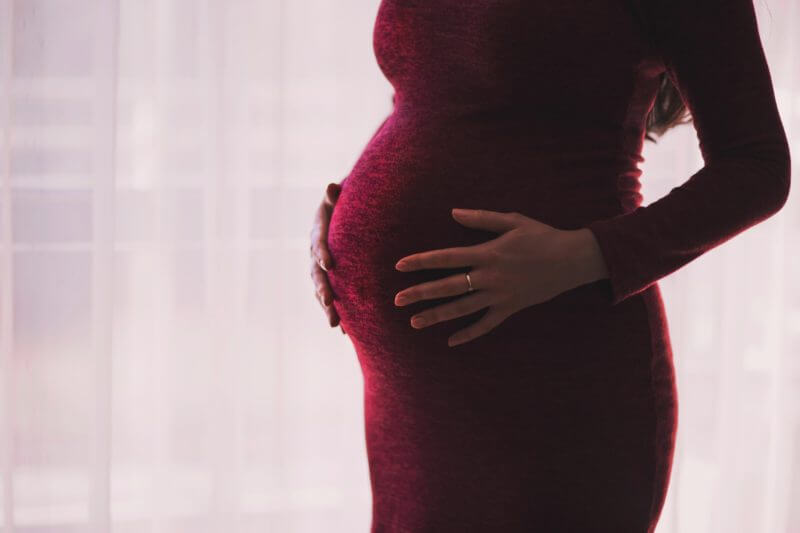
Famous, talented, and arguably the best female tennis player of our age.
But did you know the famous star almost died just after having her baby?
Yes, the news could have been so very different.
The thing is; the problem she developed just after the birth of her baby that could have led to death is not a rare condition.
Let’s learn something of this condition known as Pulmonary Embolism:
It can affect many women suddenly after an (apparently) normal pregnancy, labour and childbirth.
Pulmonary Embolism (PE) is a serious medical condition. It can kill very quickly.
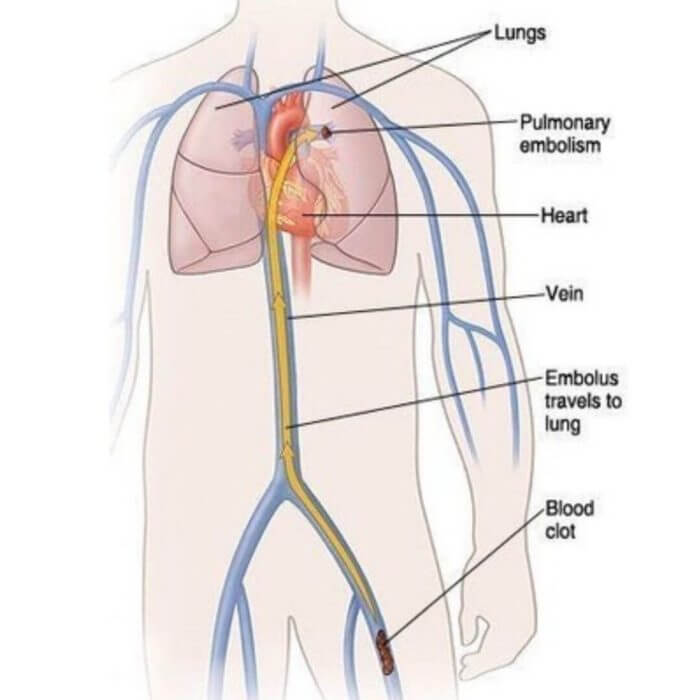
Pulmonary Embolism (PE) is a condition when a blood clot blocks one of the blood vessels to the lungs.
If left untreated, it is quickly fatal.
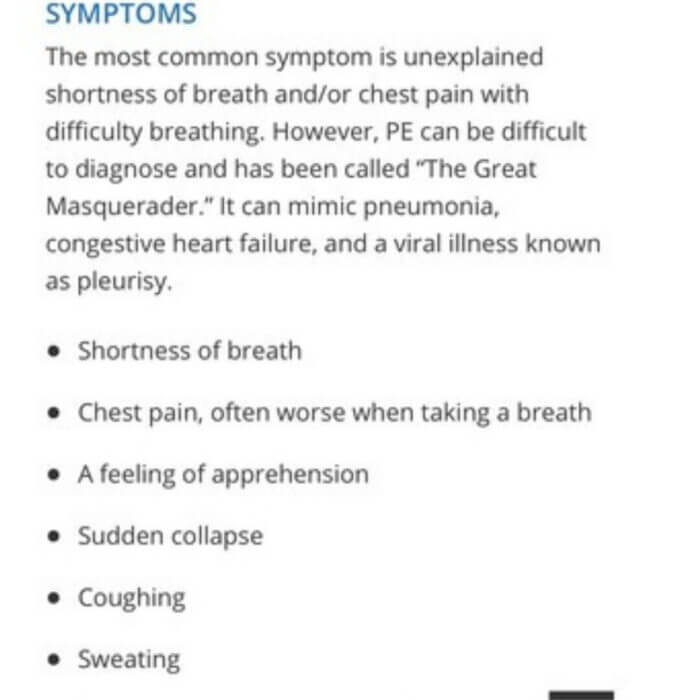
Below we list the symptoms using these graphics, but most commonly it’s the development of :
Sudden Breathlessness and significant Chest Pain, Coughing with bloody Phleghm
It can happen in both men and women but certain factors increase the risk of its occurrence.
One of these factors is pregnancy which is where the story of Serena’s experience comes in.
In an interview with Vogue magazine in January 2018, Serena reveals the details of her experience barely 24 hours after having her baby by an emergency Caesarean Section.
Some of the excerpts are shown below, but the entire interview is a great read:
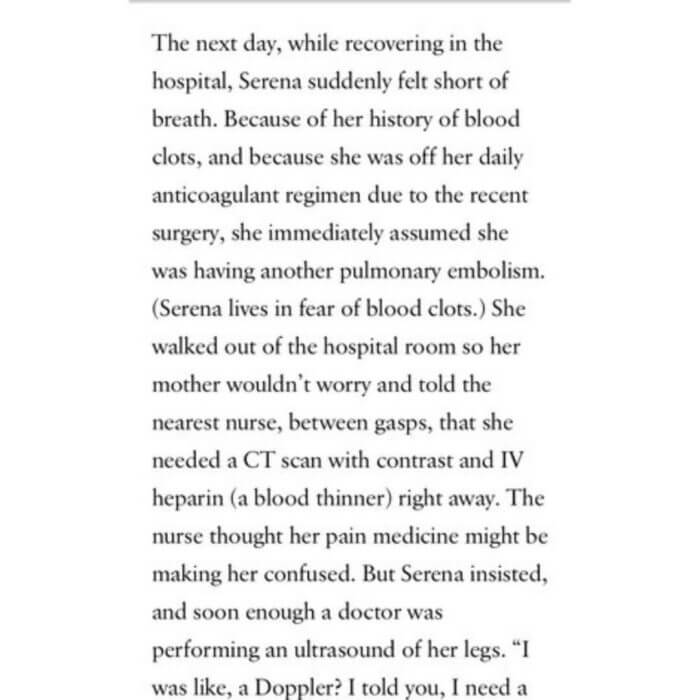
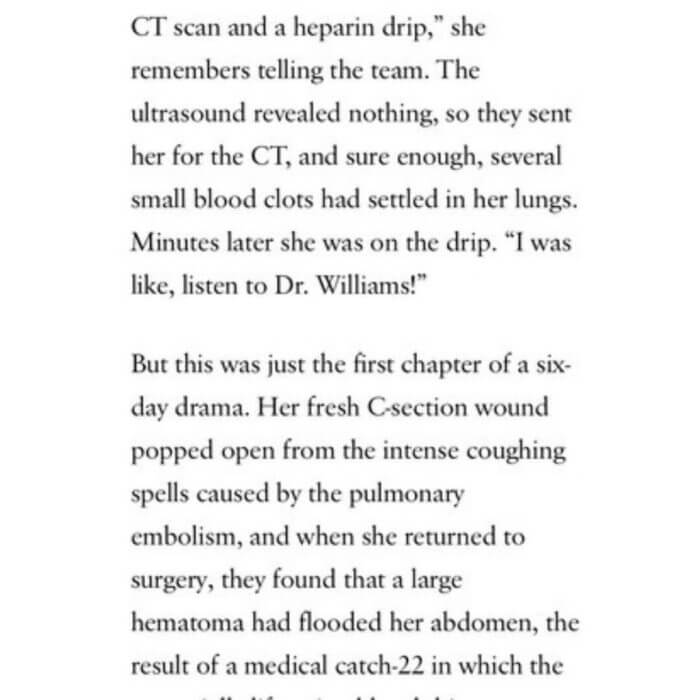
Now, some background – and this is important because we don’t want you to get the idea PE only happens in pregnant women.
In 2011, Serena sustained an injury from an accidental cut to her leg.
It’s reported that following this, she went on to develop a PE.
How could PE develop from an ordinary leg wound or cut?
In Serena, we do not know specifically, but it is possible if her movement was generally restricted while the injury was healing.
She may also have suffered from one of the certain blood conditions that increase the risk of developing PE.
In some people with conditions like Protein S or Protein C deficiency, there is a lack of factors that prevent blood clotting.
So having this condition increases the risk of developing a clot – Deep Venous Thrombosis (DVT) or PE.
Some of the other conditions that increase the risk of a PE are:
So Serena already knew she was at risk of having another PE at any time because she had one in 2011.
Being pregnant further added to that risk.
Having already been through a significant stressful birth i.e a Caesarean Section, she became suddenly breathless the following day – while still in the hospital.
Does this sound familiar? You may have heard of a woman who suddenly died after childbirth.
‘Dr Williams’ as Serena jokingly referred to herself in the Vogue interview identified her symptoms correctly,
However, according to her – she had an extra job to convince her US-based medical team of what was going on and what she needed.
Thankfully, they did eventually listen and she rapidly got a CT Scan to confirm her suspicions, and the blood-thinning medication she needed to dissolve the clot and save her life.
Now let’s pause and consider her circumstance – she is a wealthy and influential black woman in one of the most developed countries in the world.
Regardless, she found herself minutes away from death IF they didn’t correctly identify and treat her.
Now in low resource areas, there are structural health care challenges as well as poor general education.
Sometimes PE doesn’t present with usual symptoms which makes it’s diagnosis and treatment more challenging.
We want women to be aware of this condition so we can get better at identifying those at risk and take necessary precautions.
While we don’t have studies to show how often this kills pregnant women in Nigeria, but as this study on African populations shows, there is a significant risk – VTE Study
If you found this post helpful (and we hope you did), please share with others so we can have wider discussions about this condition.
Comments and questions welcome.
Read More:
Pregnancy and Your Risk of Heart Disease
Dealing with Covid-19 In Pregnancy (RCOG guidelines)
Editing by AskAwayHealth Team
Disclaimer
All AskAwayHealth articles are written by practising Medical Practitioners on a wide range of health care conditions to provide evidence-based guidance and to help promote quality health care. The advice in our material is not meant to replace the management of your specific condition by a qualified health care practitioner.
To discuss your condition, please contact a health practitioner or reach us directly through info@askawayhealth.org
Want to know how your comment data is processed? Learn more
Leave a comment
Please fill in the field below to add a comment.