
Need to check your symptoms?
Use our symptom checker to help determine what your symptoms are and to ensure you get the help you need.
Check your symptoms
Need to check your symptoms?
Use our symptom checker to help determine what your symptoms are and to ensure you get the help you need.
Check your symptomsWelcome to our New and Improved website. Serving You Better!
5 Ways to Increase Blood Flow and Circulation — and Why It’s Important
May 18, 2022
Poor circulation not only affects the way we look and feel, but it can also be life-threatening. Learn how to increase blood flow and circulation in this week’s guest post.

Sit quietly for a moment and feel your chest. Can you sense your heart beating? That’s the precious energy of life flowing through your body, bathing every cell with vital oxygen, nutrients and energy.
However, relatively few people pay much attention to their circulatory system. Preventive medicine is worth its weight in gold, sparing you from uncomfortable and even potentially fatal conditions.
Here are five ways to increase blood flow and circulation — and why it’s important.
Your circulatory system carries oxygen-rich blood to every organ in your body. Limbs and organs can die if you don’t have enough blood flow.
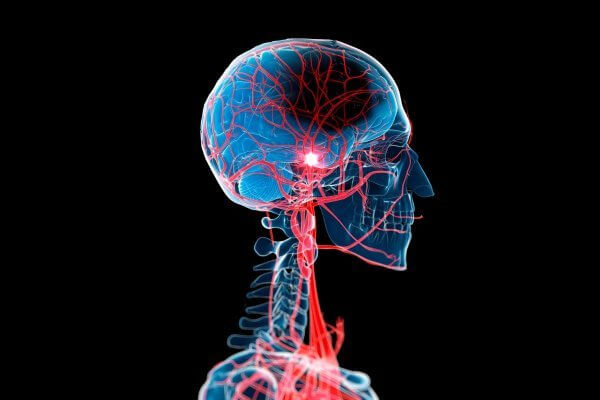
Now that you understand why blood flow and circulation are important, how can you improve yours? The following five tips have stood the test of time and are science-based.
A regular exercise program is your best friend for improving blood flow and circulation.
It’s also your best remedy for improving blood circulation in your hands. Cardiovascular activity tones your heart muscle, making it pump more effectively.
Although the muscle found in your organs isn’t the same as that making up your biceps, it still strengthens with use.
However, that’s not the only way working out improves your circulation and cardiovascular health.
Everything in your body works as a holistic unit, and your mind can impact your ticker.
Chronic stress can even rewire your brain, keeping your blood pressure elevated and putting you at higher risk of cardiovascular events and stroke.
Exercise mitigates stress.
It reduces cortisol levels by tapping into your body’s innate fight-or-flight system, letting this hormone dissipate the way nature intended.
It also prompts your brain to release juicy endorphins, natural chemicals that ease pain and improve mood.
Finally, a regular exercise program can mitigate adverse habits that complicate cardiovascular health and circulation.
For example, smoking causes your arteries to harden, making vessels less pliable and more trouble-prone.
However, folks who partake in a 6 a.m. run are unlikely to smoke. They’re also less likely to get hangover drunk, which strains the heart.
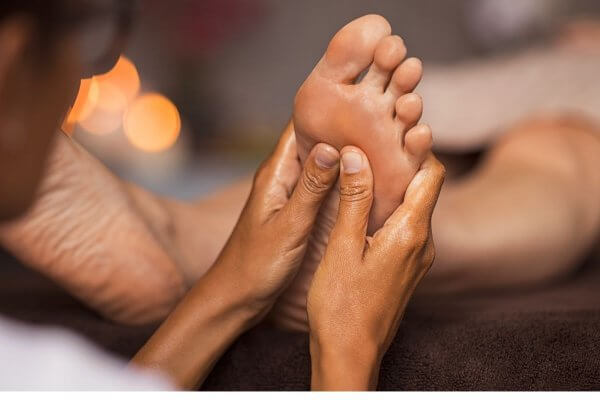
A professional massage is one of the best passive ways to improve blood flow and circulation. There’s no pumping iron or treadmill involved. You merely lay back on the table and let your practitioner work their magic.
However, massage isn’t brain surgery or rocket science — you can learn to DIY.
This activity can also bring you and your partner closer. Why not consider taking an introductory class together or sitting down with Udemy one weekend to master the art?
You can find courses as inexpensive as $10, allowing you to master effleurage and tapotement.
Another bargain boon for blood flow is investing in inexpensive foam rollers. These devices work like charms to improve circulation when you roll on them. They also provide considerable back pain relief.
Yet another pro-tip involves taking a tennis ball and putting it in a sock. You can use it to roll out the muscles of your back, calves and upper legs, boosting circulation.
Did you know one tip for how to increase blood flow and circulation lies in your water bottle? Blood is liquid; after all — you need enough fluids to maintain your balance.
You probably know that eating too much salt isn’t good for your heart — but have you ever questioned why?
It’s because sodium pulls water into your blood vessels, increasing volume and pressure. It’s like a dam trying to hold back too much water. Eventually, it cracks, resulting in a heart attack.
Drinking plenty of water is one way to dilute your bloodstream, ensuring you don’t have excess electrolytes causing an imbalance.
Dehydration also damages your heart. It decreases the amount of blood in your veins and creates strain, causing your ticker to beat faster.
Your best bet is to carry a reusable water bottle with you and sip often.
Thirst is your first reliable indicator of dehydration, so avoid letting yourself get parched. If you find the taste of plain water bland, try carbonating it with a SodaStream or similar device and adding fruit for flavour.
Stay away from beverages that contain alcohol and caffeine — these dehydrate you further by increasing urination.
Stay away from nicotine-containing products, alcohol and drugs that your doctor didn’t prescribe you.
Nicotine doesn’t only harden your arteries. It also increases blood pressure and produces an adrenaline spike that elevates your heart attack risk.
Even one alcoholic beverage increases your blood pressure.
The effects reverse when you quit drinking, but a heavy, sustained habit can have devastating consequences.
Other drugs like cocaine also increase your heart rate and pressure, putting you at an elevated attack and stroke risk.
Gravity takes a toll on the human body over time.
Anyone who’s looked in the mirror with dismay at their sagging jowls knows this.
It can also impact circulation, making it harder for blood to return to your heart from your extremities, particularly your lower ones.
The solution is to wear compression garments that take the pressure off your valves by helping blood return to your heart.
These items are a must for anyone who works on their feet, is prone to varicose veins or both.
You might even find it comfortable to wear compression hose under your slacks — nobody will know your secret.
Increasing blood flow and circulation is vital to maintaining healthy functioning.
Every organ in your body requires a continuous bath of oxygen and nutrients to function at its best.
Take the five steps above to increase your blood flow and circulation. You’ll enjoy improved energy and better overall health.
More Reading
Edited by AskAwayHealth Team
Disclaimer
All AskAwayHealth articles are written by practising Medical Practitioners on a wide range of health care conditions to provide evidence-based guidance and to help promote quality health care. The advice in our material is not meant to replace the management of your specific condition by a qualified health care practitioner.
To discuss your condition, please contact a health practitioner or reach us directly through info@askawayhealth.org
Want to know how your comment data is processed? Learn more
Leave a comment
Please fill in the field below to add a comment.